Psychotherapy in the media
Psychotherapy in the Media explores how film, music, and popular culture reveal our emotional conflicts, unconscious defences, and the stories we struggle to face in ourselves.
From the characters who mirror our hidden patterns to the songs that echo heartbreak we’ve never spoken aloud, each piece invites reflection on what it means to feel, to connect, and to heal.
This column bridges psychotherapy and storytelling, translating the language of the unconscious into everyday culture, where therapy meets art and insight becomes imagination we can finally make sense of.
Where therapy meets storytelling
media depth emotion anxiety betterhelp reflections quizzesLatest blog posts
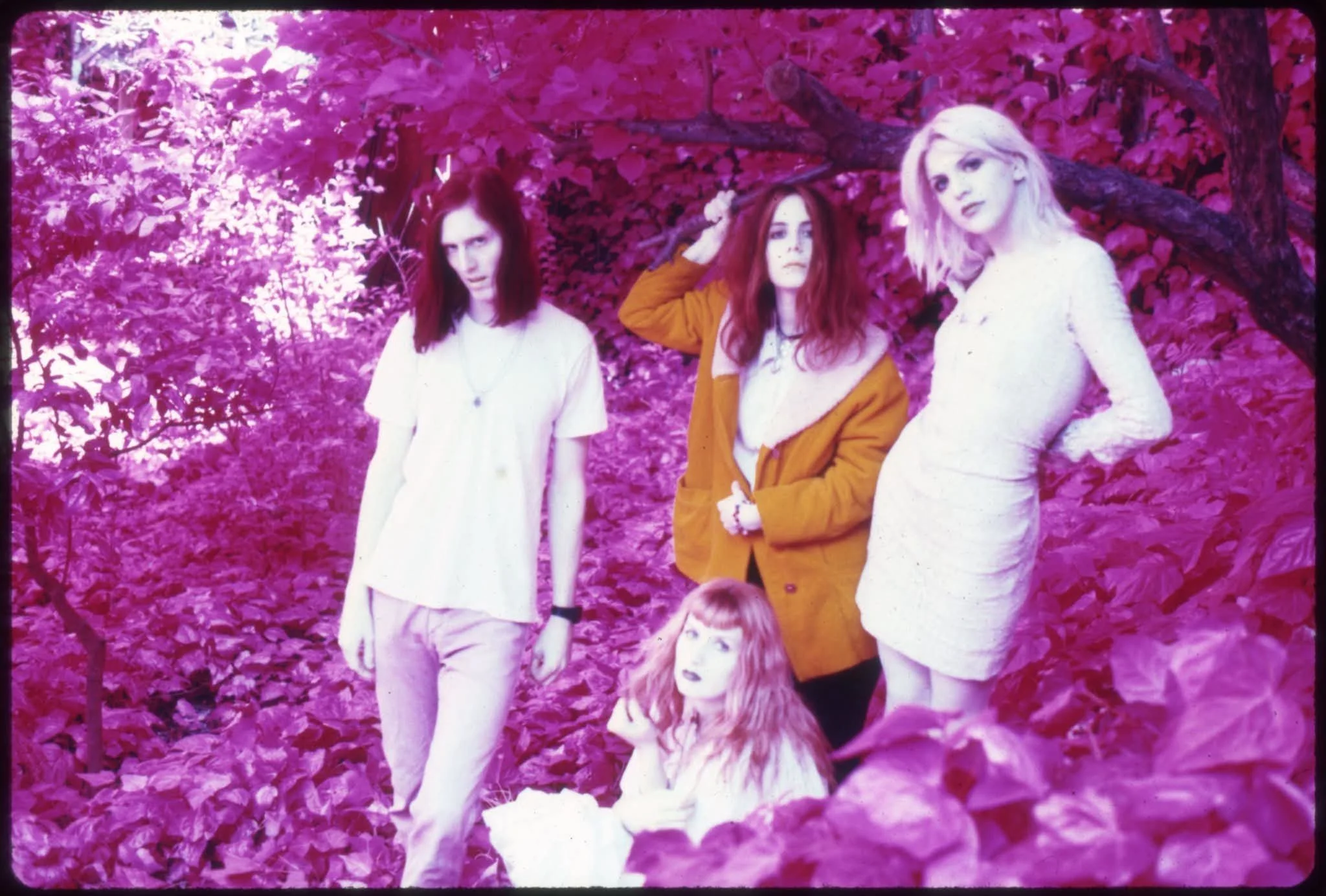
Thirty-five years after Hole released Pretty on the Inside, the album still refuses to make female anger more acceptable for the comfort of others. A psychotherapist reflects on anger, shame, self-attack and the parts of ourselves we learn to hide.

Thirty years after Alice in Chains released MTV Unplugged, the performance remains difficult to watch without also seeing what happened later. This reflection explores hindsight, vulnerability and what it means to recognise the person beyond the struggle.

The Backrooms is unsettling because it turns emotional stuckness into a place. Endless rooms, artificial light, movement without progress. This post explores why that image resonates, and how therapy can help when life starts to feel like the same corridor again and again.

Boards of Canada’s Inferno feels like a state to enter. Through images of childhood, religion, desert light, damaged memory and inherited meaning, it evokes the way old signals can live on inside us. This reflection explores what the album suggests about family transmission, anxiety, belief, memory, and the past that is still active in the present.

Public debates about masculinity often focus on ideology and cultural conflict. In therapy, the picture is usually different. Many men are not driven by hostility or dominance, but by loneliness, shame, and uncertainty about how to talk about vulnerability.

A psychodynamic exploration of Mer de Noms by A Perfect Circle, examining themes of anger, desire, misattunement, and emotional emptiness. The album becomes a lens for understanding projection, repetition, and the struggle to symbolise overwhelming internal states.

Conspiracy thinking is often treated as a belief issue. In therapy, it can function as emotional avoidance. By understanding the anxiety and vulnerability beneath rigid certainty, people can begin to build the capacity to stay present with uncertainty rather than defending against it.

Social media often treats self-observation as a quick fix. Therapy takes a different approach. This article explores why awareness alone rarely changes patterns and how slowing down reactions in real time helps create genuine emotional choice.

Why does Wuthering Heights still feel so emotionally powerful? This reflection explores how stories can mirror unresolved emotional states and repeating relational patterns, and why therapy helps turn reaction into understanding without removing intensity.

Organising music by emotional function rather than genre revealed unexpected parallels with therapy. This reflection explores memory, nervous system regulation, and how meaning develops gradually when experience is allowed to settle without pressure.

Therapy has quietly become mainstream in the UK, with more than a third of adults having tried it, and most finding it helpful. But beneath anxiety and stress, loneliness is often the real driver. As therapy moves online and into everyday life, this piece explores why human connection still matters, how to choose support wisely, and what actually makes therapy work.

Using themes from Stranger Things as metaphor, this article explores how avoidance, shame, and self-criticism can shape internal experience. It looks at the “Upside Down” as a symbol for psychological conflict and explains how therapy helps people approach difficult emotions more steadily.
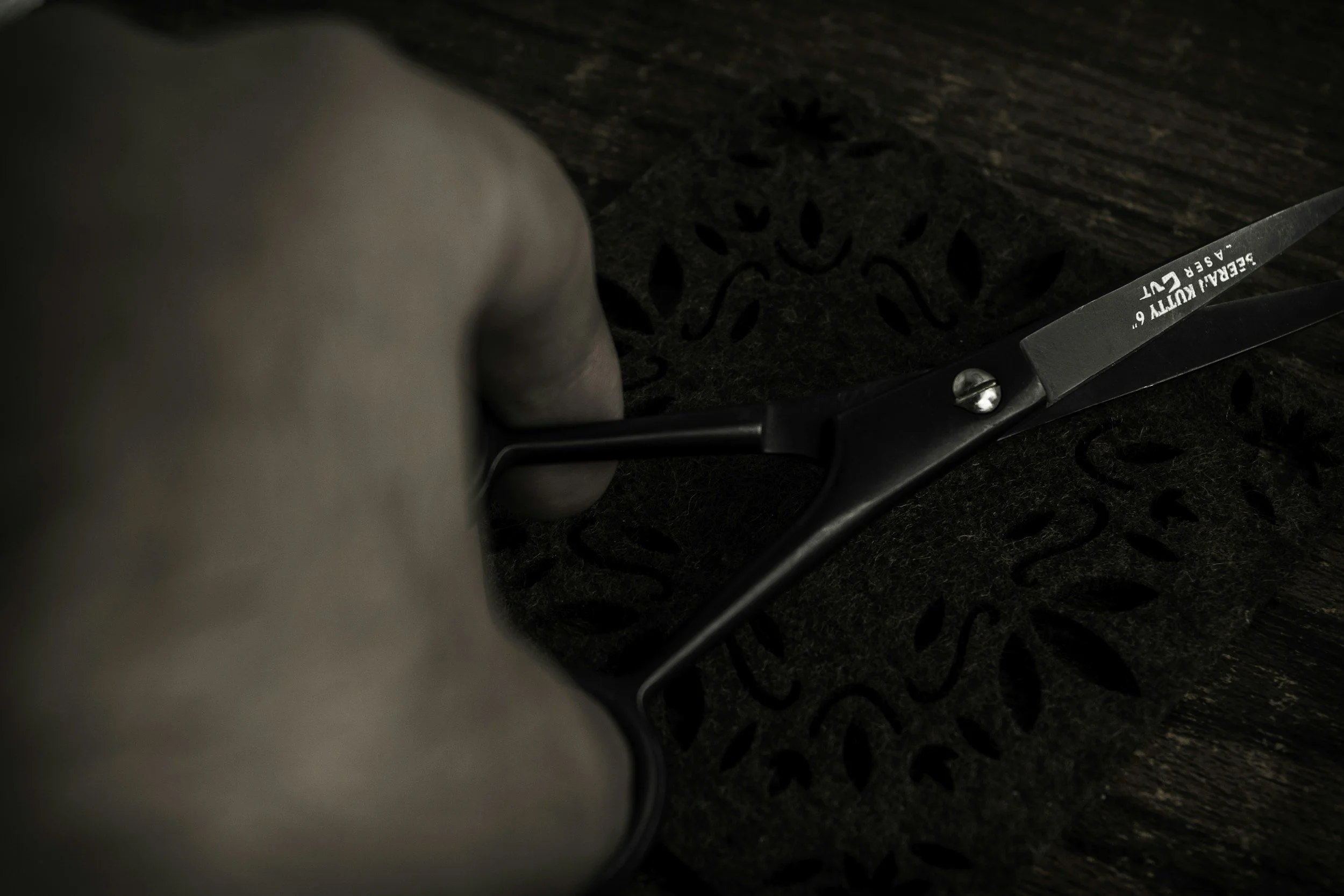
True-crime stories often reflect themes of isolation, shame, and emotional fragmentation. This article looks at why these narratives are psychologically compelling and how therapy understands containment, emotional regulation, and the quieter forms of internal struggle that many people recognise in themselves.

Consistency and steadiness are central to therapeutic work. Reflecting on Johnny Cash’s image and the idea of a therapist’s “uniform,” this article explores containment, how a calm, reliable therapeutic frame helps people approach difficult emotions safely and gradually reduce emotional avoidance.

A scene from Walk the Line offers a useful metaphor for therapy: the shift from performance toward authenticity. This article explores why people often “play it safe” emotionally and how therapy helps create the conditions for more honest, manageable emotional expression over time.
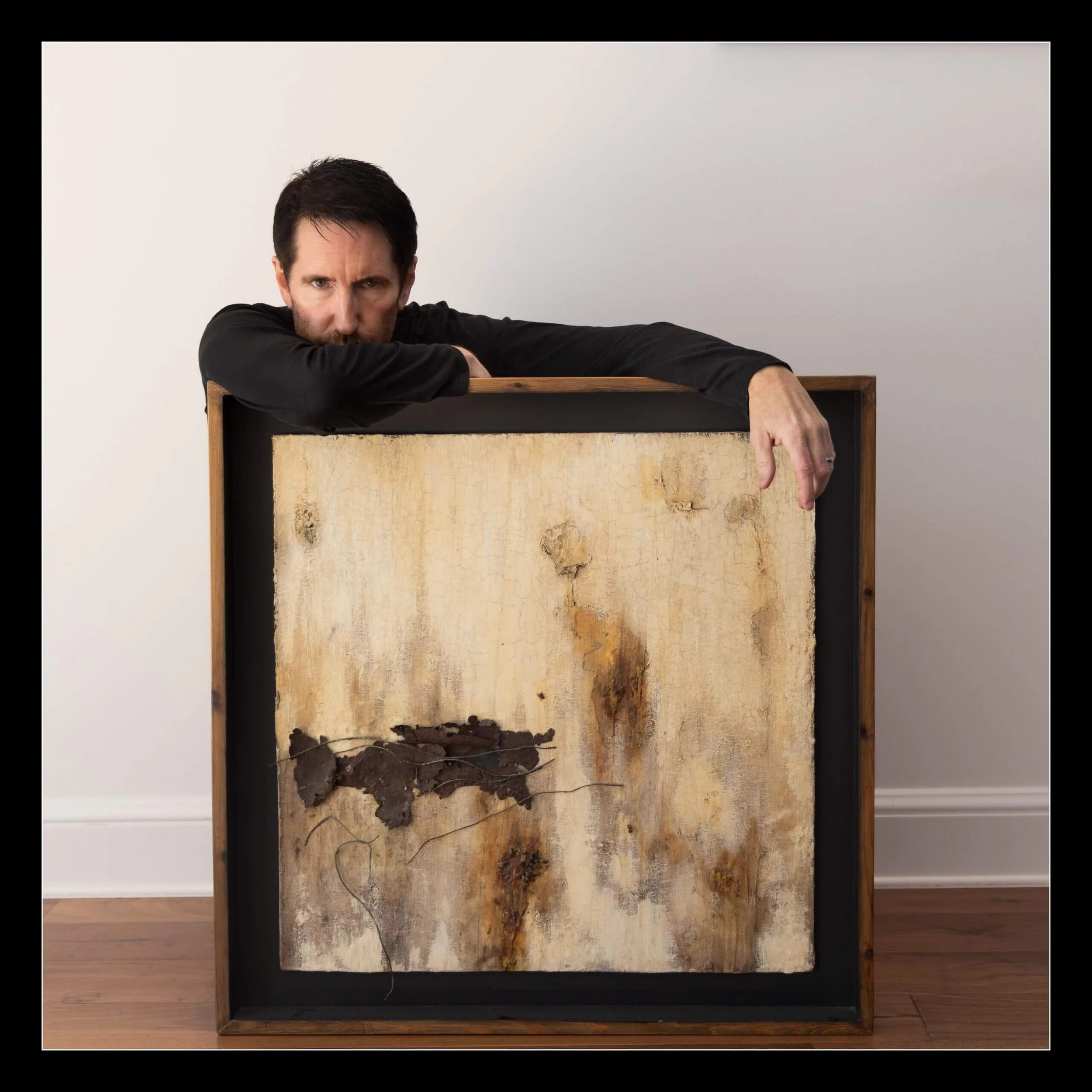
Music can sometimes express emotional experience more clearly than explanation. Using The Downward Spiral as a lens, this article explores themes of shame, emotional avoidance, and disconnection, and how therapy helps people recognise similar patterns in themselves and develop a steadier relationship with difficult feelings.