The Backrooms: When Life Starts To Feel Like A Corridor
The Backrooms resonates because it gives visual form to emotional stuckness: the feeling of moving through life without really getting anywhere. In therapy, this often shows up as repeated patterns of anxiety, avoidance, self-criticism, resentment, numbness, or collapse. These patterns are often old forms of protection that have become restrictive. Therapy helps a person notice the corridor they keep walking down, understand what it protects them from feeling, and begin to recover a sense of movement, choice, and emotional life.
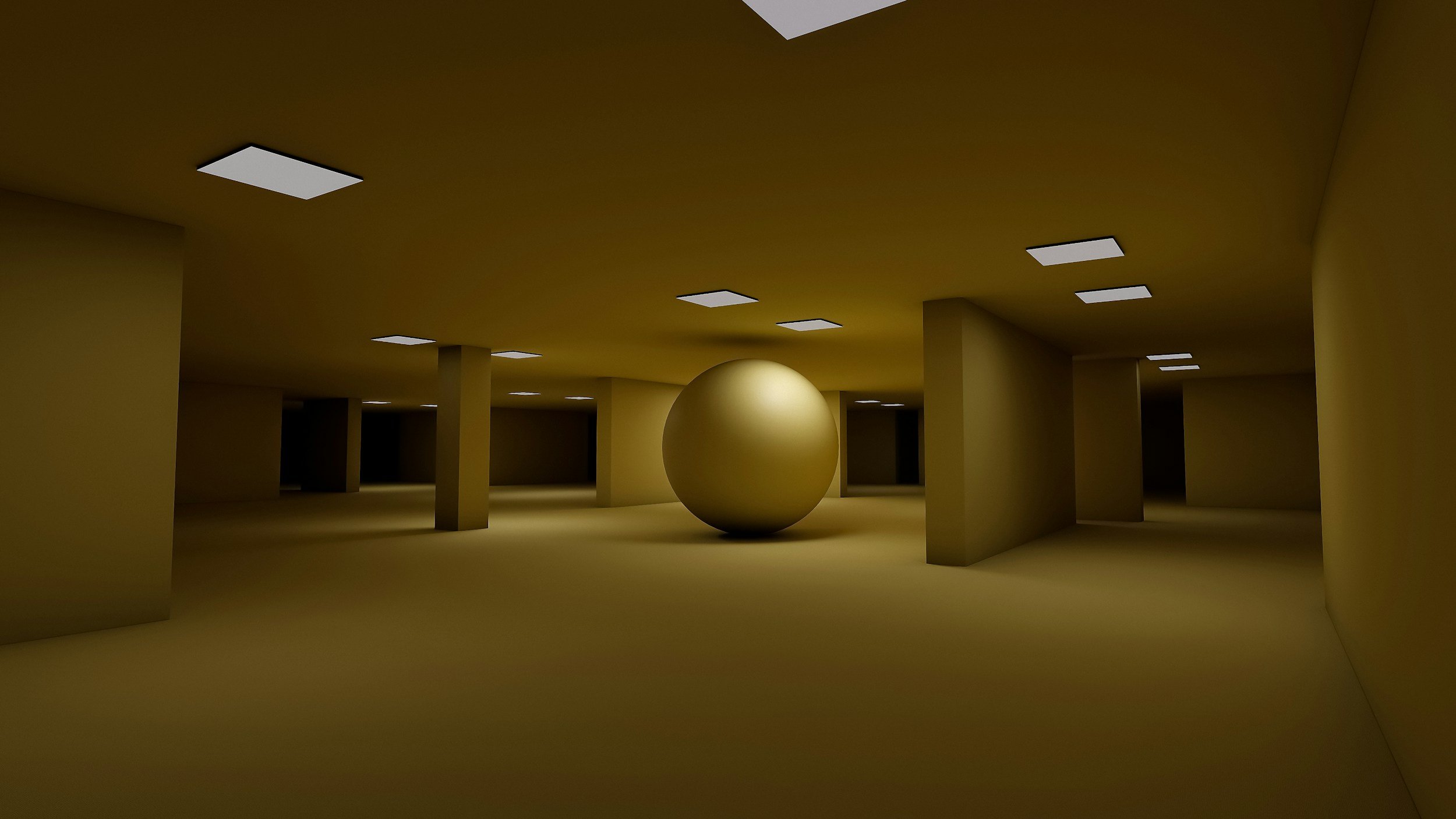
The Backrooms turns emotional stuckness into a place: familiar, enclosed, repetitive, and difficult to leave.
The Backrooms is a modern horror image built from very ordinary materials.
Empty rooms. Yellow walls. Fluorescent light. Office carpet. Corridors that continue for too long. Spaces that look familiar but feel wrong.
That may be why the idea has stayed with people. The horror is not only that someone might be trapped in a strange place. It is that the strange place looks like a distorted version of everyday life.
There is movement, but no arrival.
There are rooms, but no home.
There is space, but no freedom.
Many people recognise something in that.
Because parts of ordinary life can begin to feel like this. A person can be working, parenting, replying to messages, attending appointments, managing responsibilities, and still feel internally trapped. Life continues, but it does not feel as though it opens.
In therapy, this often appears as stuckness, the never ending repetition and / or total frustration!
A person may say, “I keep ending up in the same place.” They may not mean literally. They may mean the same relationship pattern, the same anxiety, the same collapse in confidence, the same self-criticism, the same avoidance, the same emotional shutdown.
From the outside, things may look functional enough. Inside, the person may feel as if they are walking through the same corridor again and again and again and again……..
Stuckness is not usually laziness
People often attack themselves for being stuck.
They may say they should be stronger, more disciplined, more grateful, more positive, more decisive. This can sound sensible at first. It can also become another locked room.
The stuckness usually has a structure.
It may be organised around anxiety. A person wants to change, but as soon as they move towards something emotionally important, their anxiety rises and they retreat.
It may be organised around shame. A person wants closeness, visibility, success, or freedom, but some part of them expects humiliation if they step forward.
It may be organised around grief. A person knows something has been lost, but cannot yet bear the full feeling of it.
It may be organised around anger. A person feels hurt or trapped, but the anger becomes turned against the self, displaced onto others, or converted into withdrawal.
It may be organised around old protection. Something that once helped the person survive now limits their life.
This is one of the central difficulties in therapy. The mind does not only defend us from danger. It can also defend us from feelings, wishes, needs, memories, and conflicts that once felt too much to bear.
The defence may have been necessary at the time. The problem is that it can remain in place long after the original danger has passed.
A corridor can begin as a shelter. Over time, it becomes architecture.
The maze is often made of familiar moves
People actually never really feel stuck because they are doing nothing. More often, they are doing the same things with great effort.
They analyse.
They explain.
They avoid.
They please.
They collapse.
They blame themselves.
They blame others.
They keep busy.
They scroll.
They try to think their way out of something that needs to be felt.
None of this makes the person weak. It makes them human.
The difficulty is that these strategies can create the impression of movement while keeping the emotional pattern intact. A person may understand their history very well and still repeat it. They may know why they avoid conflict and still avoid it. They may know their inner critic is harsh and still submit to it. They may know a relationship is painful and still feel unable to leave or speak honestly.
Insight matters, but insight alone is not always change.
Something has to become visible as it happens.
Resentment can become a locked room
One of the more painful forms of stuckness is resentment.
Resentment can appear when a person feels deprived, overlooked, humiliated, used, trapped, or left behind. Sometimes it is understandable. Sometimes it points towards a real injury or injustice. It should not be dismissed too quickly.
But resentment can also become defensive.
If grief feels unbearable, resentment may keep the loss at a distance.
If helplessness feels humiliating, resentment may create a sense of power.
If longing feels too exposed, resentment may harden into contempt.
If disappointment feels too painful, resentment may turn the world into the accused.
and this can be costly. The person may feel protected from vulnerability, but they also become more isolated. They may feel morally right, but emotionally trapped. They may keep rehearsing the injury without being able to mourn it, protest it directly, or move beyond it.
In this sense, resentment can become another corridor. It gives the person somewhere to go, but not necessarily somewhere to arrive.
The frightening part is the loss of possibility
There is a particular kind of suffering that comes when the future starts to feel closed and this is not always dramatic despair because it can be quieter than that.
A person may continue to function, but with a reduced sense of life. They stop imagining change. They stop expecting much from others. They stop wanting too openly. They live by management rather than desire.
The world becomes smaller and this can happen through depression, trauma, chronic anxiety, repeated disappointment, financial pressure, relational loss, or years of emotional self-protection. The person may not even notice the contraction at first. They simply adapt. Then they adapt again. Eventually, the adapted life begins to feel like the only life available.
That is where the Backrooms image becomes psychologically useful. It gives a shape to an experience many people struggle to describe.
A life can have rooms and still feel airless.
A person can keep moving and still feel trapped.
A future can exist in theory and still feel unavailable.
Therapy is not a secret exit
It would be comforting to say therapy helps a person find the hidden door.
Sometimes therapy does lead to clear external change. A person leaves a relationship, speaks more honestly, grieves a loss, changes work, sets a boundary, takes a risk, or stops living under the command of an internal critic
But the work often begins more quietly.
It begins by noticing the corridor.
What happens inside you just before you go numb?
What feeling appears just before you attack yourself?
What do you experience in your body when you want to speak but stay silent?
What are you afraid would happen if you let yourself feel the anger, grief, longing, or tenderness directly?
What does the stuckness protect you from?
These are ways of bringing attention to the emotional process as it occurs.
The aim is not to shame the person out of their defences. Defences usually developed for a reason. The aim is to understand what they are doing now, what they are protecting, and what they are costing.
When this becomes clearer, the person has more choice.
They may begin to see that the problem is not simply the external situation, although that may be very real. It is also the repeated internal response to the situation. The collapse. The self-attack. The avoidance. The resentment. The retreat from feeling. The old rule that says it is safer not to want too much.
Once a pattern can be observed, it is no longer the whole world and it no longer has to organise the persons life.
Finding the way back to feeling
Emotional stuckness often involves a loss of contact with feeling.
The person may feel anxious, flat, irritated, ashamed, or overwhelmed, while the more specific feeling remains out of reach.
Underneath anxiety, there may be anger.
Underneath numbness, there may be grief.
Underneath contempt, there may be longing.
Underneath self-criticism, there may be pain that has never been properly met.
Therapy helps slow this down.
Instead of rushing to explanation, it asks what is happening now. Instead of treating the symptom as the whole story, it looks at the emotional conflict underneath it. Instead of assuming the person is broken, it considers how they have had to adapt.
That does not make the work easy. Feeling what has been avoided can be uncomfortable. It may bring anxiety. It may bring sadness. It may bring anger towards people the person also loves. It may bring grief for time, safety, care, or possibility that was lost.
But this is often where movement begins. The kind that comes when a person can feel more honestly, see their defences more clearly, and relate to themselves with less cruelty.
When the corridor becomes visible
The Backrooms is frightening because it turns emotional foreclosure into a place. It shows a world where everything continues and nothing opens. For some people, that is not only horror. It is familiar.
Therapy cannot remove every wall in a person’s life. It cannot undo the past, erase economic pressure, guarantee love, or make uncertainty disappear. But it can help a person stop mistaking the maze for the whole of reality.
It can help them notice where they disappear from themselves. It can help them understand why old protections remain so powerful. It can help them feel what has been avoided, mourn what has been lost, and recover parts of themselves that became trapped inside survival.
The way out does not always begin with a door.
Sometimes it begins when a person can finally say:
“This is the corridor I keep walking down.”
Explore more in Psychotherapy in the Media
media depth anxiety emotion betterhelp reflections quizzesFrequently Asked Questions About The Backrooms and When Life Starts To Feel Like A Corridor
-
Psychologically, The Backrooms can be understood as an image of feeling trapped inside a life that no longer feels open. Its endless corridors, empty rooms and artificial light give shape to emotional stuckness, anxiety, isolation and repetition. The horror comes from movement without progress.
-
The Backrooms feels unsettling because it uses familiar spaces in unfamiliar ways. Offices, corridors, carpets and fluorescent lights are ordinary, but in the Backrooms they become strange, empty and threatening. This creates a sense of unease because the environment feels recognisable and wrong at the same time.
-
People may relate to The Backrooms because it reflects a modern feeling of being stuck. Many people know what it is like to keep going through work, relationships and responsibilities while feeling internally trapped. The Backrooms turns that private experience into a visible place.
-
You tell me, in therapy….
Feeling stuck in life often means a person feels unable to move forward, even when they want to. This may involve repeated relationship patterns, anxiety, low mood, avoidance, self-criticism, resentment or emotional numbness. It is not always a lack of effort. Sometimes the person is caught in a protective pattern that has become restrictive.
-
Feeling stuck can be part of depression, but it is not always the same thing. Depression may include persistent low mood, loss of interest, sleep changes, appetite changes, hopelessness and reduced energy. Feeling stuck can also come from anxiety, grief, burnout, trauma, shame, relationship difficulties or unresolved emotional conflict.
-
Repeating the same patterns often happens because the mind returns to familiar ways of managing anxiety, pain or conflict. These patterns may once have helped you cope, but over time they can limit your life. In therapy, the aim is to notice the pattern as it happens and understand what feeling or fear sits underneath it.
-
Emotional avoidance is the attempt to stay away from feelings that seem painful, threatening or overwhelming. It can include staying busy, overthinking, pleasing others, going numb, withdrawing, using substances, scrolling, intellectualising or blaming yourself. Avoidance may reduce discomfort in the short term, but it often keeps the deeper problem in place.
-
Yes, resentment can sometimes protect a person from grief, helplessness, disappointment or longing. This does not mean the resentment is false or meaningless. It may point to something real. But when resentment becomes fixed, it can keep a person attached to an injury without helping them mourn it, protest it directly or move forward.
-
Therapy can help by slowing down the pattern and making it clearer. Instead of only asking what is wrong, therapy looks at what happens inside you when you move towards change. It may explore anxiety, shame, grief, anger, avoidance, self-criticism and the ways you protect yourself from painful feelings.
-
Therapy can help with emotional avoidance by making the avoidance visible and understandable. The aim is not to force feelings too quickly, but to help you notice what you move away from, what you fear would happen if you felt it, and how old protective strategies may now be keeping you stuck.
-
This can happen when there is a lot of activity but little emotional movement. A person may be working, coping, analysing and trying hard, while still avoiding the feelings or conflicts that need attention. In this state, life can feel busy but repetitive, as if effort is being spent without real change.
-
The first step is often to notice the pattern without attacking yourself for it. Ask what keeps repeating, what you feel just before you avoid, shut down or criticise yourself, and what the stuckness may be protecting you from. Once the corridor becomes visible, it is no longer the whole of reality.
Written by Rick Cox, MBACP (Accred)
Psychodynamic Psychotherapist, UK & Online