Understanding Depth-Oriented Therapy
Many emotional patterns make more sense when we look beneath behaviour and examine the emotional processes shaping experience.
Depth-oriented therapy focuses on these processes. Rather than concentrating only on surface problems, it explores how emotional states, anxiety responses, and defensive patterns organise experience over time.
This guide introduces several ideas that help explain how emotional patterns form and how they can gradually change.
How the Same Emotional Patterns Form
media depth emotion anxiety betterhelp reflections quizzesLooking Deeper at Emotional Patterns
If you are trying to understand emotional patterns first, start with the main guide below. That guide explains how avoidance, anxiety, defences, numbness, and repetition develop.
This depth-oriented therapy guide builds on that foundation by showing how therapy works with those patterns over time.
Read more:
Understanding Emotional Patterns
The Depth Process Sequence
Many repeating patterns can be understood through a sequence of emotional processes.
Early experiences form emotional states that shape how situations are felt in the body.
Over time these states may become linked to symbols such as images, situations, or relational dynamics that evoke the original experience.
When the underlying state cannot be experienced directly, people may begin to repeat those symbolic carriers in an attempt to recreate the emotional experience.
As reflective capacity develops, emotional states become more recognisable and symbolised. This allows patterns to gradually become less automatic and more integrated.
A simplified version of this process looks like this:
State → Symbol → Repetition → Mentalisation → Integration
What depth-oriented therapy is working with
Depth-oriented therapy looks beneath surface explanations and works with the emotional processes that shape patterns, symptoms, and ways of coping. This begins with understanding the difference between immediate emotional states and what can later be thought about, reflected on, and symbolised.
Articles in this section:
What Depth-Oriented Therapy Means

An introduction to depth-oriented therapy and the emotional processes that shape repeating psychological patterns.
Read more:
What Depth-Oriented Therapy Means
State vs Symbol: Why Some Feelings Are Hard to Put Into Words

Explains the difference between emotional states and the ability to symbolise them. Many emotional experiences are felt before they can be clearly understood.
Read more:
State vs Symbol: Why Some Emotional Experiences Are Hard to Put Into Words
Emotional States Can Become Thinkable
Although some emotional experiences can initially feel difficult to understand, they are not permanently beyond reflection.
In many cases, psychological change begins when emotional states gradually become more recognisable and easier to tolerate. As reflective capacity develops, experiences that once felt confusing or overwhelming often begin to make more sense.
Recognising these processes can be an important step toward understanding how emotional patterns form and how they can gradually change.
Why patterns repeat
Repetition is not simply a bad habit or a failure of insight. Patterns often repeat because emotional states are activated faster than they can be reflected on, especially when anxiety rises and reflective capacity becomes fragile.
Articles in this section:
Why Repetition Happens : The Emotional States Behind Repeating Patterns

Explores how emotional states can become linked to symbolic carriers and why repeating patterns often develop.
Read more:
Why Repetition Happens: The Emotional States Behind Repeating Patterns
Mentalisation and Emotional Fragility: Why Reflection Can Collapse Under Stress
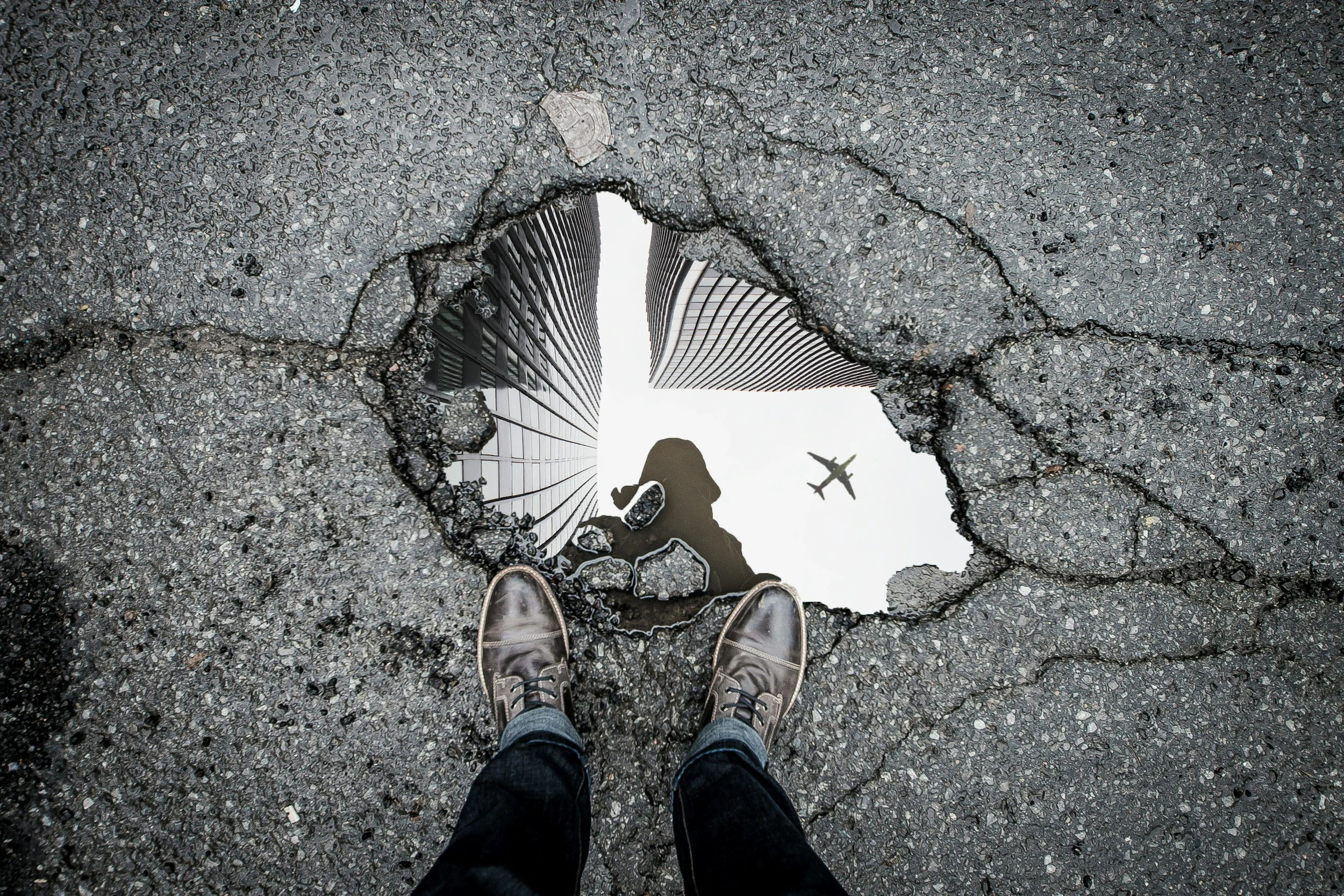
Looks at how reflective capacity develops and why some emotional states can feel difficult to think about under stress.
Read more:
Mentalisation and Emotional Fragility: Why Reflection Can Collapse Under Stress

A Gradual Process…
Emotional states and patterns usually develop over long periods of time. For this reason, understanding them rarely happens all at once.
Instead, reflective capacity often develops gradually as people begin to notice how emotional states, symbolic meaning, and repeating patterns interact in their experience.
Over time, recognising these processes can make emotional patterns easier to understand and allow greater flexibility in how people respond to them.
If you’re interested in how change unfolds over time:
Therapeutic change is often gradual, even when the underlying process is active.
How change gradually happens
Change usually happens slowly. As emotional experience becomes more thinkable and less overwhelming, repetition can begin to give way to integration, greater flexibility, and a stronger sense of self.
Articles in this section:
From Repetition to Integration: How Emotional Patterns Gradually Change
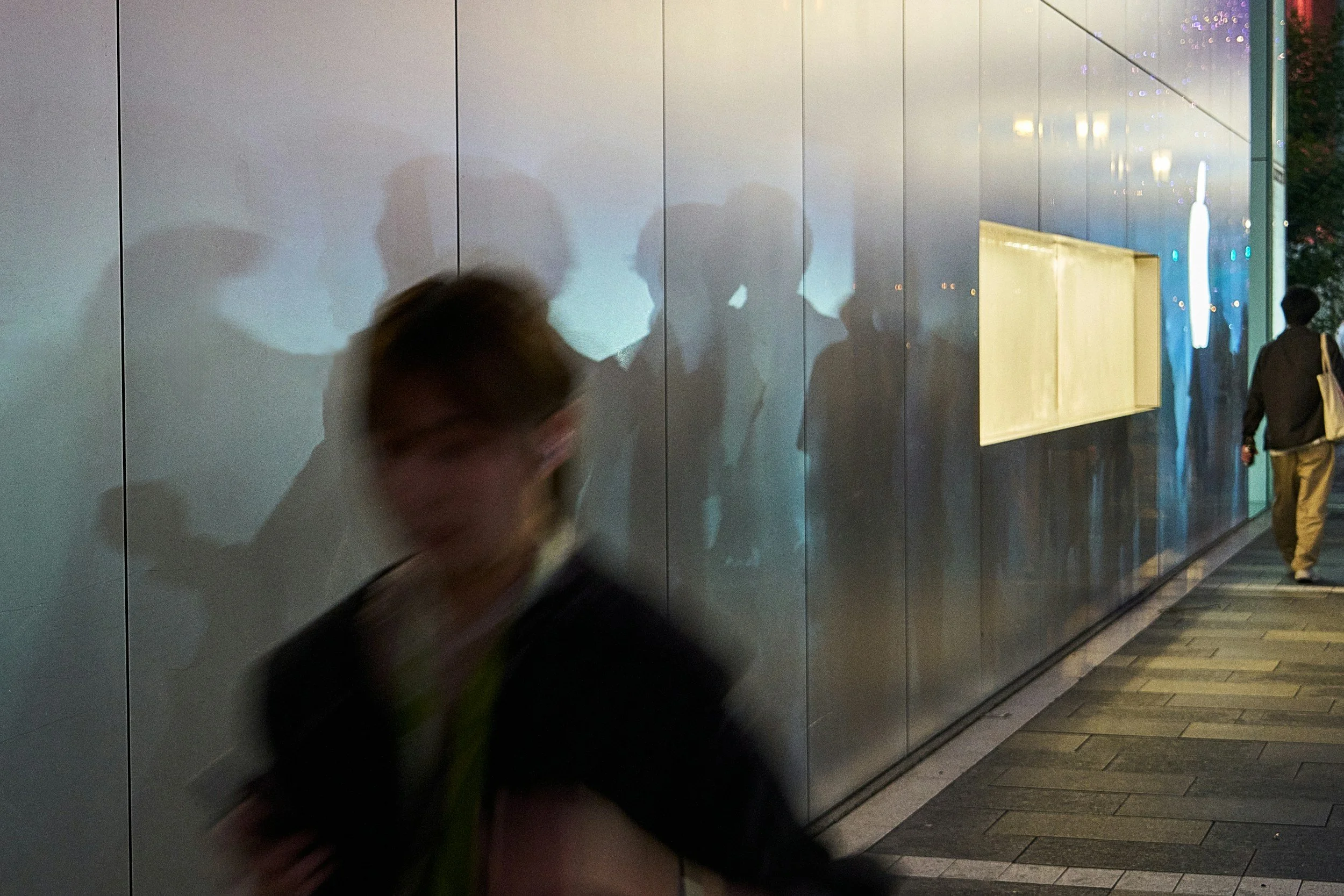
Examines how emotional patterns gradually change as emotional states become more recognisable and tolerable.
Read more:
From Repetition to Integration: How Emotional Patterns Gradually Change
Related Reading
An earlier reflection explores how emotional states can become linked to patterns in everyday life.
From Pattern to Presence: How Early States Shape What We’re Drawn To
Clinical Guide
These ideas are developed further in a longer clinical guide for therapists working at depth.
From Repetition to Integration: A State-Based Clinical Guide for Therapists Who Work With Depth
Looking at the Emotional Process Beneath Depth Work
Depth-oriented therapy often becomes clearer when we first understand the emotional processes that shape anxiety, avoidance, defensive reactions, and repeating patterns.
If you would like to explore the emotional foundations beneath this guide, you can read the related guide below.
Read more:
Understanding Emotional Patterns
If you want to see how anxiety and avoidance organise emotional experience at the surface, you can explore the related guide below.
FAQ: Understanding Depth-Oriented Therapy
-
Depth-oriented therapy focuses on the underlying emotional processes that shape patterns, symptoms, and ways of relating. It works with feelings, anxiety, and defensive responses as they appear in real time.
-
Depth-oriented therapy places more emphasis on emotional experience as it happens, rather than focusing only on thoughts or behaviour. It aims to understand and work with the processes that drive patterns, rather than just managing them.
-
“State” refers to immediate emotional experience, while “symbol” refers to the ability to think about and make sense of that experience. When feelings are difficult to tolerate, they may remain as states rather than becoming something that can be reflected on.
-
Patterns repeat because emotional states are triggered automatically and may not be fully processed or understood. Without sufficient capacity to reflect on these experiences, the same reactions can occur again in similar situations.
-
Mentalisation is the ability to understand your own thoughts and feelings, as well as those of other people. This ability can become less stable when emotions are intense or overwhelming.
-
When emotional intensity rises beyond what a person can tolerate, reflective capacity can reduce. In these moments, it becomes harder to think clearly about feelings or situations, and reactions may become more automatic.
-
Change tends to happen gradually. As emotional experience becomes more manageable and easier to reflect on, patterns can begin to shift, leading to greater flexibility and integration over time.