From Repetition to Integration: How Emotional Patterns Gradually Change
Emotional patterns often repeat when underlying states cannot yet be experienced directly or reflected on clearly.
As therapy helps people recognise those states, tolerate them more fully, and think about them with greater clarity, the urgency behind repetition often begins to soften.
Integration does not mean a pattern disappears completely. It means the underlying emotional state becomes more available in life, so the pattern no longer has to dominate behaviour.
Start here: This article is part of the Understanding Depth-Oriented Therapy Guide, which explores how emotional states, repetition, and reflective capacity shape psychological change over time.
Read the full guide:
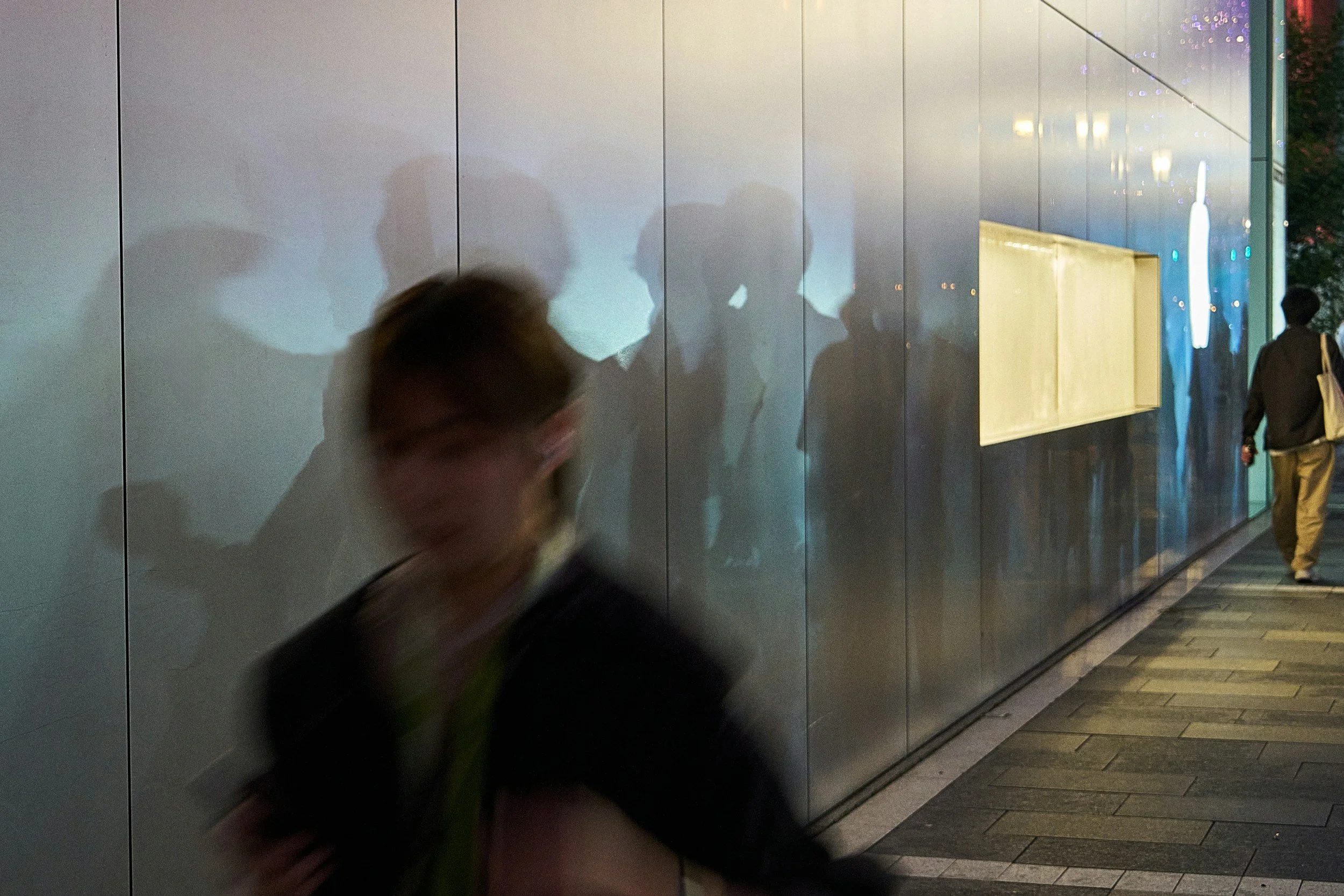
Integration often brings distance from automatic patterns, allowing emotional experience to be observed rather than immediately enacted.
Why Repetition Does Not Last Forever
Repeating patterns can sometimes feel permanent.
People may find themselves drawn into the same kinds of emotional reactions, relational dynamics, or regulating behaviours again and again. After a while, this can begin to feel fixed.
But repetition is not always a sign of permanence.
In many cases, it reflects an emotional state that has not yet become fully recognisable, tolerable, or thinkable. As those capacities develop, the pattern often begins to change.
Repetition Often Protects Something Unprocessed
Earlier in this guide we explored how symbolic carriers can become repetitive when the underlying emotional state cannot yet be lived directly.
This is important, because repetition is often doing something psychologically meaningful.
It may be:
Recreating a familiar emotional atmosphere
Regulating anxiety
Preserving contact with something once necessary
Holding together an experience that has not yet been fully integrated
Seen this way, repetition is not simply a bad habit to get rid of. It is often part of an unfinished emotional process.
What Begins to Change in Therapy
Therapy does not usually stop repetition through force or suppression.
More often, change begins when the underlying emotional state becomes more available to reflection.
This may involve:
Recognising what state is being evoked
Noticing when a pattern becomes more compelling
Tolerating the emotional experience for longer
Linking present reactions to earlier forms of experience
As this happens, the pattern is no longer the only route back to the emotional state.
That shift is often the beginning of integration.
What Integration Actually Means
Integration is often misunderstood as the disappearance of a pattern.
In practice, integration usually means something more subtle.
It means that an emotional state becomes:
More recognisable
More tolerable
More symbolised
Less dependent on repetition
The pattern may still register. It may still carry meaning. But it no longer has to organise behaviour in the same urgent or automatic way.
What was once enacted repeatedly can now be held in mind.
From Symbolic Carrier to Lived Experience
One way to understand integration is to think about what happens when symbolic carriers are no longer doing all the emotional work.
If a person once relied on a certain image, relationship dynamic, or repeated behaviour to access a familiar emotional state, integration means that state gradually becomes available elsewhere.
It may begin to appear in:
Ordinary emotional life
More stable relationships
Reflective thought
A wider sense of self
At that point the symbol becomes less compulsory because the state is no longer confined to it.
Why This Process Is Gradual
Integration rarely happens all at once.
The capacities involved usually develop over time:
Emotional tolerance
Reflective capacity
Symbolisation
Recognition of patterns
Reduced need for automatic repetition
There may still be moments of return, especially under stress. But over time the pattern often loses urgency, and choice becomes more possible.
This is why change can be real even when it is not dramatic.
Integration Is Not the Same as Elimination
It is important to distinguish integration from elimination.
Elimination assumes that healing means a pattern should vanish completely.
Integration suggests something different.
A pattern may still be present in some form, but it no longer dominates experience in the same way. There is more space around it. It becomes less compulsory, less loaded, and less organising.
That is often a more realistic and more useful understanding of change.
How Reflection Changes the Pattern
As mentalisation strengthens, people often become more able to notice:
What they are feeling
What state is being evoked
What the pattern is trying to do
What alternatives are becoming available
This does not remove all difficulty. But it does make repetition less automatic.
What could only be enacted can now begin to be thought about.
That is one of the clearest signs that integration is taking place.
From Repetition Toward a Wider Life
When a pattern begins to loosen, emotional energy often becomes available elsewhere.
People may notice:
More flexibility in relationships
Less urgency around certain pulls or reactions
Greater capacity to stay with emotional experience
More room for choice
This is often quiet rather than dramatic.
But over time it can mark a significant change. What was once necessary becomes optional.
How This Connects With the Rest of the Guide
This article explores how emotional patterns begin to soften as underlying states become more recognisable, tolerable, and thinkable.
Other articles in the guide explore the sequence leading up to this.
What Depth-Oriented Therapy Means: Introduces the emotional processes explored in depth therapy
State vs Symbol: Why Some Emotional Experiences Are Hard to Put Into Words: Explains why some emotional experiences are felt before they can be clearly thought about
Why Repetition Happens: The Emotional States Behind Repeating Patterns: Explores how symbolic carriers become repetitive around familiar emotional states
Mentalisation and Emotional Fragility: Why Reflection Can Collapse Under Stress: Explains how reflective capacity weakens under pressure and gradually strengthens in therapy
Explore more in: Understanding Depth Oriented Therapy
media depth emotion betterhelp reflections quizzesFrequently Asked Questions About Repetition, Emotional Patterns and Change in Therapy
-
Integration means that emotional experience becomes more recognisable, tolerable, and thinkable. A pattern may still exist, but it no longer has to dominate behaviour in the same automatic way.
-
Not necessarily. Integration usually means the pattern becomes less urgent and less organising, rather than vanishing completely.
-
Patterns often soften as the underlying emotional state becomes easier to recognise, tolerate, and reflect on. When that happens, repetition is no longer doing the same regulating work.
-
Yes. Therapy can gradually help people recognise the emotional states beneath repetition, strengthen reflective capacity, and develop greater freedom in how they respond.
Written by Rick Cox, MBACP (Accred)
Psychodynamic Psychotherapist, UK & Online