The Therapy Journal
This is where psychotherapy steps out of the session and into conversation. From our defences that shape our daily lives to the emotions that drive our choices, these pieces explore the human mind through a psychodynamic lens.
Whether clinical or cultural, every post asks the same question:
What happens when we stop avoiding our feelings?
Where therapy meets everyday life
media depth emotion anxiety betterhelp reflections quizzes
What Is Borderline Personality Disorder? Understanding the Person Behind the Diagnosis
Borderline personality disorder is often described through crisis and conflict. This calm introduction looks beneath the diagnosis at emotional intensity, fear of abandonment, identity, relationships and how therapy can help.

What Changes When You Stop Avoiding Feelings
Stopping avoidance does not usually make anxiety disappear straight away. What often changes first is the relationship to feeling, anxiety, and internal pressure. Over time, this can create more clarity, more space, and less need to move away from what is being felt.

Why Anxiety Feels Random (But Isn’t)
Anxiety can feel as though it comes out of nowhere, especially when the trigger is not fully in awareness. Often, what feels random has a sequence behind it that has not yet become clear. Understanding hidden triggers can make anxiety feel less mysterious over time.

How Anxiety and Avoidance Work Together
Anxiety and avoidance often do not happen separately. A feeling begins to surface, anxiety rises, and avoidance brings relief by moving attention away from what is being felt. Seeing this loop more clearly can help explain why anxiety keeps returning over time.

Why Some Feelings Feel Overwhelming
Some feelings can feel overwhelming, confusing, or difficult to manage. This often happens when emotional experience exceeds current capacity. This article explains why feelings can feel intense and what is happening in those moments.

Mentalisation and Emotional Fragility: Why Reflection Can Collapse Under Stress
Mentalisation helps us think about feelings and relationships, but this capacity can weaken when stress rises. This article explores emotional fragility, reflective collapse, and how therapy gradually helps emotional experience become more thinkable.

Emotional Numbness: Why You Can't Feel Your Emotions
Emotional numbness can feel confusing and isolating. Many people assume something is wrong with them when they struggle to feel. In reality, numbness is often the mind’s way of protecting itself from emotions that once felt overwhelming.

Why We Avoid Our Feelings (and What Happens When We Do)
Many people understand their problems but still feel stuck in the same emotional patterns. One common reason is emotional avoidance. This article explores why the mind learns to avoid certain feelings and how those patterns begin to shape anxiety, behaviour, and relationships.

Knowing Isn’t the Same as Changing
You can explain your attachment style, trauma responses, and relationship patterns in detail, and still repeat them. Insight alone does not interrupt behaviour. When emotional activation rises beyond your tolerance, the nervous system defaults to familiar strategies for relief. Real change depends on increasing your capacity to stay with difficult feelings without acting on them.

Feeling Better vs Getting Better at Feeling
Many people start therapy hoping to feel better quickly. Lasting change, however, often comes from building the capacity to experience anxiety, sadness, and uncertainty without retreating from them. When emotional tolerance grows, patterns shift in a more stable way.

You Can’t Think Your Way Out of Autopilot: What Social Media Gets Wrong About Self-Observation and What Therapy Actually Changes
Social media often treats self-observation as a quick fix. Therapy takes a different approach. This article explores why awareness alone rarely changes patterns and how slowing down reactions in real time helps create genuine emotional choice.

Women’s Mental Health Right Now: Why So Many Are Exhausted, Anxious and Still Telling Themselves They’re Fine
Many women appear to be coping while carrying ongoing emotional strain. This article explores how anxiety and exhaustion can grow from constant emotional labour, and why therapy can offer a space to slow down, reconnect, and rebuild capacity.
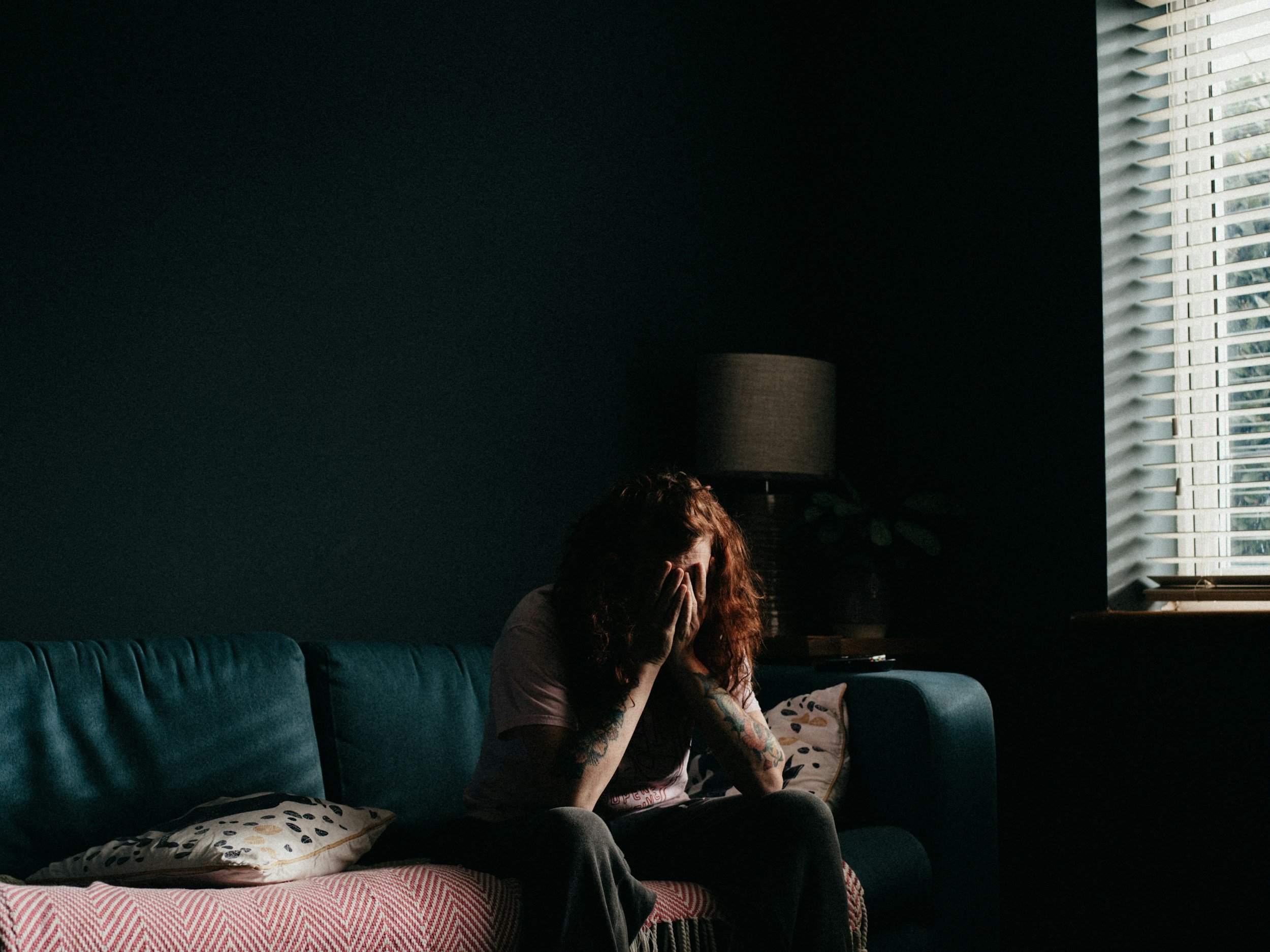
When Care Feels Impossible: Exhaustion, Responsibility, and What Therapy Can and Cannot Hold
Caring for someone in distress can quietly become exhausting. This reflection looks at the tension between compassion and responsibility, and how therapy helps people move beyond burnout, resentment, or withdrawal without reducing complexity or blame.

How Abandonment Shows Up in Adulthood and Why Insight Alone Doesn’t Set You Free
Abandonment often appears as patterns rather than memories. This article explores how early relational experiences shape adult reactions, why insight alone does not change them, and how deeper therapy works inside the moments where those patterns still activate.

Therapy and the Experience of Being Seen
Many people come to therapy looking for strategies but discover something deeper. This reflection explores how being emotionally seen and understood can reduce anxiety, soften self-criticism, and help previously confusing patterns begin to make sense.

Emotional Fragility and the Need for a Raft in Intensive Therapy
Written for therapists, this article explores emotional fragility in depth work and why building containment before intensity prevents collapse. A practical reflection on capacity, countertransference, and why slowing down often protects both therapist and client.

What Therapists Feel But Rarely Say
Therapists do experience emotional responses during sessions, but those reactions are used carefully as part of the work. This article explains countertransference, why therapists rarely talk openly about their own feelings in sessions, and how emotional awareness helps guide the therapeutic process.