The Therapy Journal
This is where psychotherapy steps out of the session and into conversation. From our defences that shape our daily lives to the emotions that drive our choices, these pieces explore the human mind through a psychodynamic lens.
Whether clinical or cultural, every post asks the same question:
What happens when we stop avoiding our feelings?
Where therapy meets everyday life
media depth emotion anxiety betterhelp reflections quizzes
Wuthering Heights and the Psychology of Haunting
Why does Wuthering Heights still feel so emotionally powerful? This reflection explores how stories can mirror unresolved emotional states and repeating relational patterns, and why therapy helps turn reaction into understanding without removing intensity.

The Unseen Battle: What Stranger Things Suggests About Trauma, Shame, and the Inner Critic
Using themes from Stranger Things as metaphor, this article explores how avoidance, shame, and self-criticism can shape internal experience. It looks at the “Upside Down” as a symbol for psychological conflict and explains how therapy helps people approach difficult emotions more steadily.

When the “Monster” Speaks: What True-Crime Stories Reveal About Human Psychology
True-crime stories often reflect themes of isolation, shame, and emotional fragmentation. This article looks at why these narratives are psychologically compelling and how therapy understands containment, emotional regulation, and the quieter forms of internal struggle that many people recognise in themselves.

The Man in Black: What Johnny Cash (and My Therapy Uniform) Teach Us About Containment
Consistency and steadiness are central to therapeutic work. Reflecting on Johnny Cash’s image and the idea of a therapist’s “uniform,” this article explores containment, how a calm, reliable therapeutic frame helps people approach difficult emotions safely and gradually reduce emotional avoidance.

When Johnny Cash Stopped Performing: Authenticity and Emotional Truth in Therapy
A scene from Walk the Line offers a useful metaphor for therapy: the shift from performance toward authenticity. This article explores why people often “play it safe” emotionally and how therapy helps create the conditions for more honest, manageable emotional expression over time.
From Pain to Possibility: What The Downward Spiral Shows About Being Human
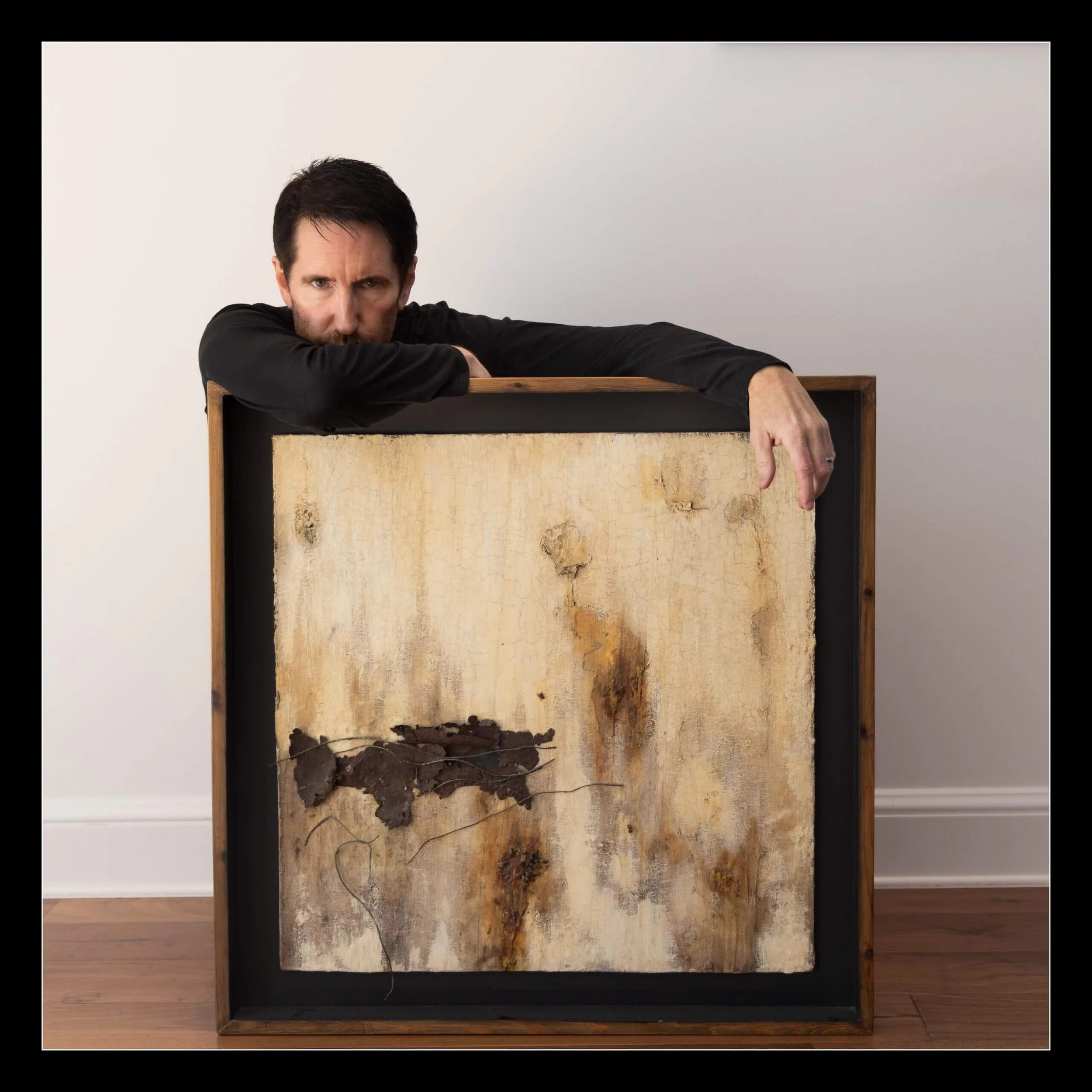
Music can sometimes express emotional experience more clearly than explanation. Using The Downward Spiral as a lens, this article explores themes of shame, emotional avoidance, and disconnection, and how therapy helps people recognise similar patterns in themselves and develop a steadier relationship with difficult feelings.